Harnessing Rain Gardens to Combat Stormwater Pollution in Florida
Florida homeowners are turning to rain gardens to protect waterways and enhance local ecosystems.

Chancemore Matonhodze
Jan 9, 2026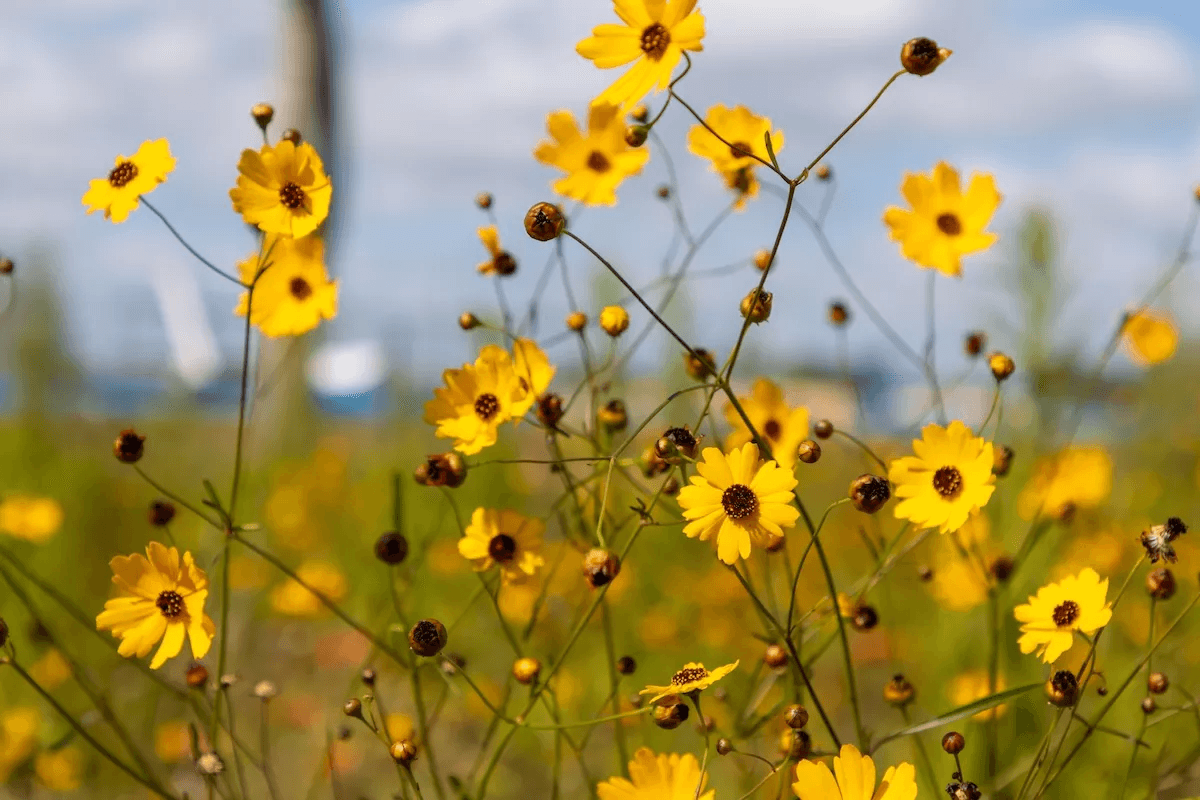
Stormwater runoff remains a major challenge for Florida, sweeping fertilizers, pesticides, and debris into local waterways where they fuel harmful algal blooms and threaten aquatic life.
As rain travels across hard surfaces, it collects more contaminants, degrading water quality in lakes and bays.
Communities are turning to rain gardens as a smart, sustainable way to combat the problem.
These landscaped areas, planted with native species like Muhly Grass and Lemon Bacopa, trap and filter runoff, reducing pollution while attracting pollinators and boosting curb appeal.
Sarasota County’s Rain Check program offers incentives to homeowners, while Cape Canaveral is installing rain gardens in parks to curb urban flooding.
Bioswales in Bayfront Park also showcase innovative ways to manage stormwater.
By capturing rain where it falls, Floridians are helping protect waterways, lessen flooding, and enrich local ecosystems.